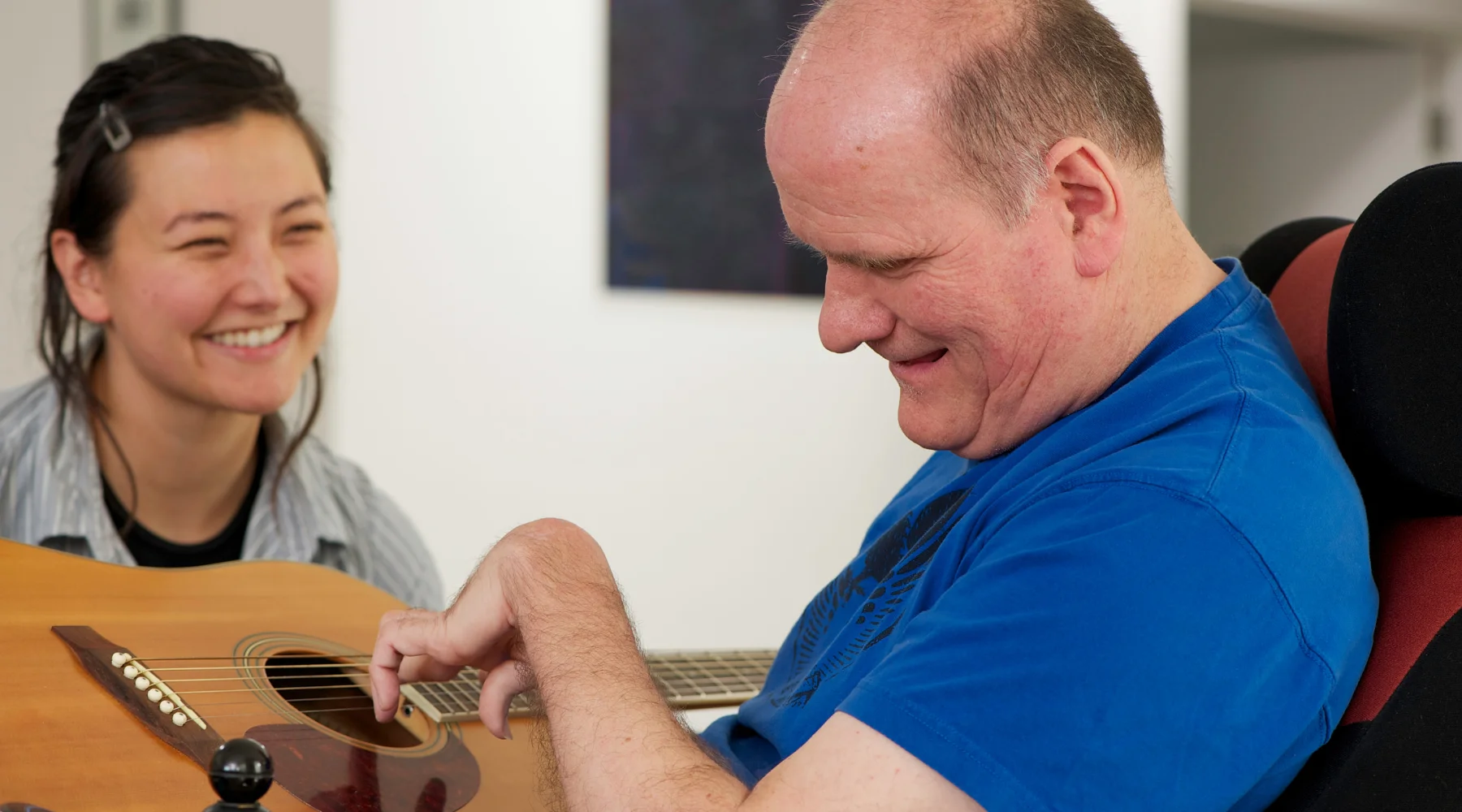
NDIS Disability Support Worker Job Requirements – Your Path to Making a Difference!
Are you passionate about supporting individuals with disabilities and empowering them to live their best lives? Working as an NDIS Disability Support Worker is a rewarding role that directly impacts the lives of those you work with, helping them achieve independence, inclusivity, and quality of life. If you’re considering a career in this field or looking to expand your team of support workers, here’s a breakdown of the essential job requirements to guide you.
Key Responsibilities:
As an NDIS Disability Support Worker, your role may include the following responsibilities:
- Personal Care Assistance:
- Assisting clients with daily activities such as dressing, bathing, toileting, and mobility.
- Supporting clients in maintaining personal hygiene, grooming, and self-care routines.
- Community and Social Support:
- Helping individuals participate in community activities, social events, and outings.
- Encouraging clients to build and maintain social networks, fostering inclusion and engagement.
- Daily Living Assistance:
- Supporting clients in tasks like cooking, cleaning, shopping, and managing household responsibilities.
- Assisting with money management, budgeting, and financial planning as part of daily activities.
- Health and Well-being Support:
- Administering medications and monitoring health conditions.
- Working alongside healthcare professionals to ensure clients’ health and safety needs are met.
- Goal Setting and Monitoring:
- Supporting clients to set and achieve personal goals as part of their NDIS plan.
- Documenting and reporting on progress and outcomes to ensure services are meeting clients’ needs.
- Transport and Mobility:
- Providing transport to appointments, work, or social engagements, helping clients maintain independence.
- Assisting clients with mobility aids or devices to enhance movement and daily function.
Essential Qualifications and Skills:
To become a Disability Support Worker in the NDIS, the following qualifications and skills are typically required:
- Relevant Qualifications:
- Certificate III in Individual Support (Disability) or a similar qualification is usually required.
- A higher-level qualification (such as a Certificate IV in Disability or a related field) may be preferred for some roles.
- NDIS Worker Screening Check:
- All support workers must undergo a background check as part of the NDIS Worker Screening process to ensure they are suitable to work with vulnerable individuals.
- First Aid and CPR Certification:
- Current First Aid and CPR certifications are essential for providing immediate assistance in emergency situations.
- Excellent Communication Skills:
- Clear communication is key when working with people with disabilities and their families. Support workers should be able to listen actively, explain things simply, and communicate with empathy and respect.
- Patience and Empathy:
- A compassionate and patient approach is essential to build trust and rapport with clients.
- Ability to Work Independently and as Part of a Team:
- Support workers should be able to follow instructions, manage tasks independently, and work collaboratively with other team members and professionals.
- Physical Fitness:
- Some roles may require physical activity, such as assisting clients with mobility or lifting, so a good level of fitness is beneficial.
- Technology Skills:
- Basic knowledge of technology for scheduling, documenting, and communicating is often needed in today’s roles.
Desirable Additional Skills:
While not always required, these skills can enhance your effectiveness as a Disability Support Worker:
- Experience in working with individuals with specific disabilities such as intellectual disabilities, physical disabilities, autism spectrum disorder, or mental health conditions.
- Cultural competency and the ability to work with diverse communities.
- Knowledge of NDIS processes and how to assist participants in managing their plans.
Why Work in Disability Support?
A career as an NDIS Disability Support Worker is more than just a job – it’s an opportunity to make a profound difference in people’s lives. You’ll be part of a vital system that fosters independence, choice, and control for individuals living with disabilities. Whether you’re helping someone learn new skills, supporting them in their daily routines, or advocating for their needs, the work you do will have a lasting impact.
If you’re interested in becoming a Disability Support Worker or want to learn more about what the role entails, get in touch today! We welcome compassionate, dedicated individuals ready to make a difference in the lives of others.
Together, we can help people live their lives to the fullest.